
WHAT'S IN A PET'S NAME?
- Virginia Kilmer

- Feb 14
- 4 min read
WHAT’S IN A PET’S NAME?
By Virginia Kilmer, Perpetual Care
Pets (dogs, cats and horses, etc.) learn their names as signals for attention, often associating the sound with positive reinforcement (food) or specific commands and treats.
Associative Learning: Pets associate their names with rewards and positive attention. If a name is consistently paired with positive reinforcement, they will learn their name quicker and respond faster.
Tone and Emotion: Pets are highly attuned to human voice patterns, pitch, and inflection. A name shouted harshly can create fear or avoidance, while a soft tone encourages engagement. Pets can hear their name when your voice is angry and run, hide or crouch in fear and they can hear a happy, positive tone and run eagerly to you.
Name Characteristics: Professional trainers tell us that short, one- or two-syllable names (e.g., Max, Bella) are easier for dogs to recognize and respond to. It is also believed that if the name is two-syllables that end in a vowel sound (e.g., Molly, Fluffy) your pet will hear it more clearly, learn it and respond to it better.
Negativity Avoidance: Trainers advise against using a pet's name for negative reinforcement (like yelling it during punishment) to prevent them from becoming fearful or reluctant to come when called.
When your pet has done something bad, such as running off on you and you yell their name angrily to come to you, don’t be surprised if they not only don’t come to you, but they learn that they will be punished when they come to you. It may be contrary to how you feel, but if you call them and hug them when they come back, you have just trained them to always come when you call.
Human Perception: Studies indicate that a pet's name (e.g., "Killer" vs. "Buddy") can affect how humans interpret and react to the pet's behavior, which in turn can influence how the owner behaves toward the pet and then how the pet responds.
As an animal rescuer for over 25 years, I have seen many situations where the pets name seemed to match the behavior, especially when it was bad behavior. I met a dog named Chaos once, who was an out-of-control pet and lived up to his name.
I have also seen where pet owners see a behavior and named their pet for that behavior. We have a cat here at Perpetual Care named Hopper and he lives up to that name. The owner passed away, but his son told us that he was named that because he is constantly jumping up and down on furniture throughout the house. He doesn’t do any damage and is very entertaining to watch!
It is also sad to see that many owners with large, bully breed dogs choose names (e.g. Cujo, Mayhem), that increase the fear of them and the image of being aggressive, sometimes with very sad consequences for the dog.
Naming Your Pet: When rescues come to Perpetual Care, we have already given them a preliminary assessment, but then, upon arrival, we work with them to find out what if anything they are trained to do. During that process, we often find that the pet doesn’t even know their name and that usually goes along with the fact that they were not trained in basic behavior.
If a Pet Knows their Name: If they know their name, we either keep the name the same or find a similar sounding name. For example, when Foxy came to Perpetual Care, she knew her name, but wasn’t really trained in any basic behavior. We decided Foxy was not the best name for her, but since she recognized it, we simply changed it Roxie which sounds similar. She responded quickly to the similar sounding name and has done well with it. She has become a beloved mascot for Perpetual Care.
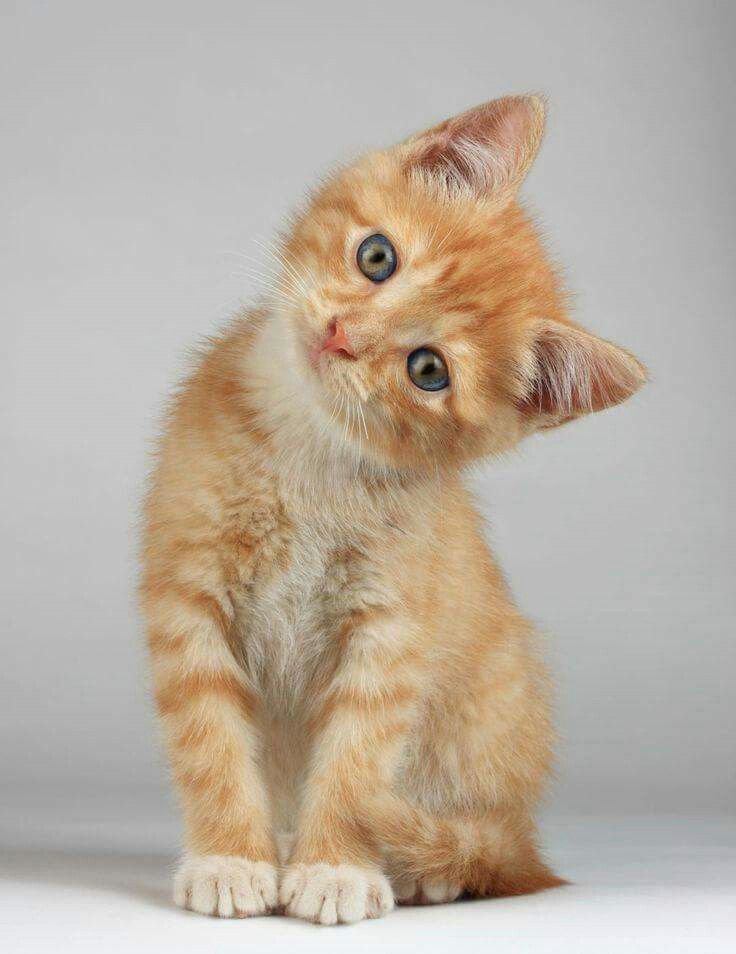
If a Pet doesn’t Know their Name: If a rescue pet doesn’t know their name, we make the decision to keep it and use it for training or to change the name. When re-naming a pet, especially a dog, I try just sitting with them and going through different sounding names to see if they react or respond to the sound. If I see a body signal of response such as a head tilt, I use that sound in their name. This is not something proven scientifically that I can find, but it seems to work well for them to bond quickly with me and with the name.
I once rescued a Jack Russell Terrier from the Shelter because he was on “death row” for escaping and biting people. His name was Pip. Maybe he thought it was “Nip” because he was very territorial and he tried to bite everyone he met. I decided that he hated his name, which why he was always acting up, so I re-named him. I gave him a name with dignity and called him Truman, named after Harry S. Truman, who said, “If you want a friend in Washington, D.C., get a dog.” He immediately began to listen to commands, come when called and seemed to do much better with people. He remained with Perpetual Care for the rest of his life since he was a known biter, but he became a very well-behaved dog. Of course, admittedly, it helped that he had the consistency of one home, training and lots of love which is exactly what all pets need to associate with their own name, whatever name you choose.


Comments